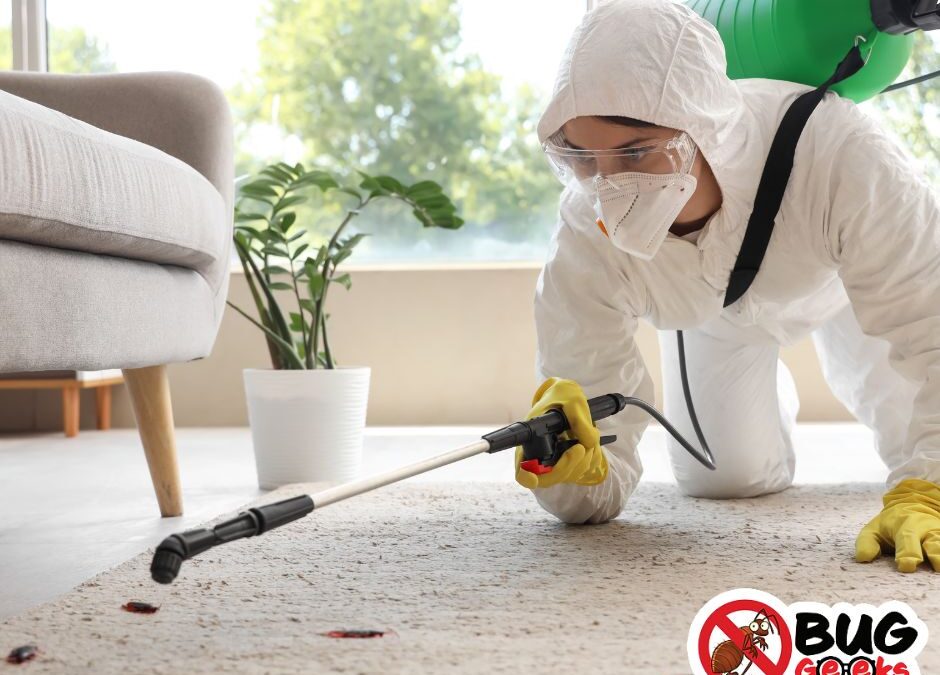
When pest problems arise, whether in your home or business, choosing the right pest control approach is crucial for effective, lasting results. While both residential pest control and commercial pest control services aim to eliminate unwanted pests, the strategies, regulations, and methods differ significantly. Understanding these distinctions ensures you receive appropriate treatment tailored to your specific environment and needs.
Scale and Scope of Treatment
The most obvious difference between home pest control and business pest control lies in the size and complexity of the treatment area.
Residential Pest Control
Residential properties typically range from 1,000 to 5,000 square feet, focusing on living spaces, kitchens, bathrooms, bedrooms, basements, and attics. Home pest control addresses areas where families sleep, eat, and spend leisure time, requiring careful consideration of safety for children, pets, and household members.
Treatments target common household pests like ants, spiders, mice, cockroaches, bed bugs, and termites. The scope remains relatively straightforward, with technicians treating perimeter areas, entry points, and specific problem zones identified during inspection.
Commercial Pest Control Services
Commercial properties vary dramatically in size, ranging from small retail shops to sprawling warehouses, multi-story office buildings, industrial facilities, and restaurant chains. Business pest control must accommodate diverse environments, including food service establishments, healthcare facilities, hotels, retail stores, manufacturing plants, and office complexes.
Each commercial space presents unique challenges requiring customized approaches. A restaurant faces different pest pressures than a medical office, while a warehouse has distinct vulnerabilities compared to a retail boutique. Commercial pest control services address these varied needs with scalable solutions designed for larger, more complex spaces.
Regulatory Requirements and Compliance
Regulatory oversight represents a critical distinction between residential and commercial pest control approaches.
Home Pest Control Regulations
Residential pest control follows standard safety regulations governing pesticide application in living spaces. Technicians must be licensed and use EPA-approved products, but documentation requirements remain relatively minimal. Homeowners receive treatment records for their personal reference, but aren’t typically subject to third-party inspections or compliance audits.
Commercial Pest Control Compliance
Business pest control operates under significantly stricter regulatory frameworks. Commercial establishments, particularly those in food service, healthcare, hospitality, and food processing, must comply with:
- Health Department Regulations: Regular inspections verify pest-free conditions
- OSHA Standards: Workplace safety requirements for pest management
- FDA Guidelines: Food handling facilities must meet specific pest control standards
- Industry-Specific Certifications: HACCP, AIB, SQF, and other quality assurance programs
- Documentation Requirements: Detailed service logs, inspection reports, and treatment records for audits
Failure to maintain proper pest control documentation can result in failed health inspections, regulatory fines, temporary closures, or loss of operating licenses. Commercial pest control services provide comprehensive documentation to support compliance requirements.
Treatment Frequency and Scheduling
The cadence and timing of pest control treatments differ substantially between residential and commercial settings.
Residential Treatment Schedules
Home pest control typically follows these patterns:
- Quarterly treatments: Most common for general pest prevention (every 3 months)
- Monthly services: For persistent problems or high-pressure environments
- One-time treatments: Targeted solutions for specific issues like bed bugs or wasp nests
- Seasonal services: Preventative treatments before peak pest seasons
Scheduling flexibility accommodates homeowner availability, often occurring during business hours when residents can be present. Treatments generally take 30-60 minutes depending on property size and pest issues.
Commercial Service Schedules
Business pest control demands more rigorous, consistent scheduling:
- Monthly services: Standard for most commercial properties
- Bi-weekly treatments: Common for food service and high-risk environments
- Weekly monitoring: Required for some food processing facilities
- 24/7 emergency response: Critical for businesses that cannot afford downtime
Commercial pest control services work around business operations, often providing after-hours or early morning treatments to minimize disruption. Service visits may take several hours for thorough inspection and treatment of large facilities.
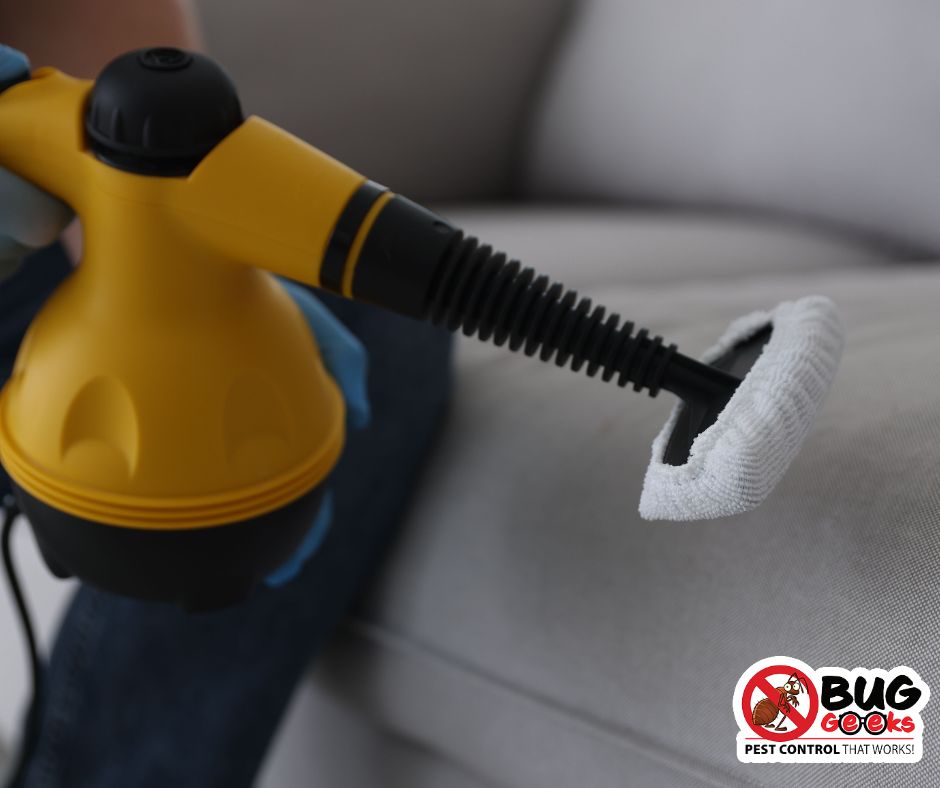
Pest Pressure and Challenges
Different environments attract different pest problems, requiring specialized knowledge and approaches.
Common Residential Pests
Home pest control typically addresses:
- Ants are invading kitchens and bathrooms
- Spiders in basements and corners
- Mice seeking warmth and food
- Cockroaches in kitchens and bathrooms
- Bed bugs in sleeping areas
- Termites threaten structural integrity
- Wasps and hornets around exterior areas
- Occasional invaders like stink bugs or silverfish
These pests generally infiltrate through normal household entry points and are attracted to typical residential conditions.
Commercial Pest Challenges
Business pest control confronts more complex scenarios:
- Restaurants: Drain flies, fruit flies, cockroaches, rodents attracted to food waste and grease
- Warehouses: Birds, rodents, and stored product pests in inventory areas
- Hotels: Bed bugs from traveler luggage, cockroaches in laundry facilities
- Retail stores: Rodents in receiving areas, occasional invaders near entry doors
- Healthcare facilities: Ants, flies, and cockroaches that pose infection control risks
- Food processing: Stored product pests, rodents, and flying insects near production lines
The constant flow of deliveries, customers, and inventory in commercial settings creates persistent pest pressure requiring proactive, preventative strategies.
Treatment Methods and Technologies
The tools and techniques employed differ based on the environment and risk tolerance.
Residential Pest Control Methods
Home pest control utilizes:
- Perimeter barrier treatments around foundations
- Interior spot treatments in targeted areas
- Baiting systems for ants and rodents
- Crack and crevice applications
- Dust treatments in wall voids and attics
- Exclusion services to seal entry points
Products are selected for safety around families and pets, with many homeowners preferring reduced-risk or natural alternatives when possible.
Commercial Pest Control Technologies
Commercial pest control services employ advanced, industry-specific solutions:
- Integrated Pest Management (IPM): Comprehensive strategies combining monitoring, prevention, and targeted treatment
- Insect Light Traps: Electric fly killers in food service areas
- Pheromone Monitoring: Early detection systems for stored product pests
- Rodent Monitoring Systems: Electronic tracking devices reporting activity in real-time
- Thermal Remediation: Heat treatments for bed bugs in hotels
- Fumigation: Whole-structure treatments for severe infestations in warehouses
- Exclusion Engineering: Professional-grade sealing and proofing of large facilities
Commercial applications often use commercial-grade products and application equipment designed for larger spaces and more severe infestations.
Cost Structures and Contracts
Pricing models reflect the different scales and requirements of residential versus commercial services.
Residential Pest Control Pricing
Home pest control typically costs:
- Quarterly service: $100-$300 per treatment
- Monthly service: $40-80 per month
- Initial treatment: $150-400 for a comprehensive first visit
- Specialty treatments: $300-2,500+ for termites, bed bugs, or wildlife removal
Most residential services operate on straightforward pricing with options for one-time treatments or ongoing plans. Contracts are generally flexible with minimal commitment periods.
Commercial Pest Control Investment
Business pest control pricing varies significantly based on:
- Facility size and complexity
- Industry and regulatory requirements
- Pest pressure and treatment frequency
- Required documentation and reporting
- After-hours service needs
Monthly costs range from $150-$300 for small retail spaces to $1,000-$5,000+ for large facilities, restaurants, or food processing plants. Commercial pest control services typically involve annual contracts with detailed service agreements outlining responsibilities, response times, and compliance support.
The higher investment reflects increased complexity, liability, regulatory compliance, detailed documentation, and more frequent service visits.
Liability and Risk Management
Pest control failures carry different consequences for homes versus businesses.
Residential Risk Factors
Home pest control problems primarily affect:
- Property damage (termites, carpenter ants, rodents)
- Health concerns for family members
- Personal comfort and peace of mind
- Potential resale value impact
While significant to homeowners, these issues remain private matters affecting individual households.
Commercial Business Risks
Pest problems in commercial settings create far-reaching consequences:
- Reputation damage: Public reviews and social media exposure
- Revenue loss: Temporary closures or customer avoidance
- Legal liability: Lawsuits from customers or employees
- Regulatory penalties: Fines, failed inspections, license suspension
- Brand impact: Multi-location businesses face corporate-level repercussions
- Insurance implications: Claims and premium increases
A single pest sighting in a restaurant can generate viral negative publicity, while a rodent infestation in a hotel can result in mass cancellations and lasting brand damage. Commercial pest control services must prevent these high-stakes scenarios.
Documentation and Reporting
Record-keeping requirements differ substantially between residential and commercial applications.
Residential Documentation
Home pest control documentation includes:
- Service receipts for treatment dates
- Product information sheets
- Basic treatment records
- Warranty information for specialty services
Records serve primarily as a homeowner’s reference for tracking service history.
Commercial Service Documentation
Business pest control requires comprehensive documentation:
- Detailed service reports with findings, actions, and recommendations
- Pest sighting logs and trend analysis
- Treatment location diagrams
- Product application records with EPA registration numbers
- Temperature logs for sensitive areas
- Corrective action reports
- Monthly or quarterly executive summaries
- Digital access portals for audit preparation
This documentation supports health inspections, corporate audits, franchise compliance, and quality certification programs. Many commercial pest control services provide online portals where managers access real-time service data and historical records.
Choosing the Right Service for Your Needs
Selecting between residential pest control and commercial pest control services depends on your specific situation.
Choose Residential Pest Control When:
- Treating a single-family home, townhouse, or apartment
- Addressing typical household pest problems
- Seeking flexible scheduling around personal availability
- Prioritizing family and pet safety
- Requiring basic documentation for personal records
Choose Commercial Pest Control Services When:
- Managing any business location open to customers or employees
- Operating in regulated industries (food service, healthcare, hospitality)
- Needing compliance documentation for inspections
- Requiring consistent monitoring and preventative treatments
- Managing multiple locations requiring coordinated service
- Facing high-stakes consequences from pest-related failures
Why Specialized Expertise Matters
Attempting to apply residential approaches to commercial settings, or vice versa, creates gaps in effectiveness and protection. A company experienced in home pest control may lack the regulatory knowledge, documentation systems, and commercial-grade equipment necessary for business environments. Conversely, commercial-focused providers may not offer the personalized service and flexible scheduling that homeowners prefer.
Professional Pest Control Solutions for Maryland Homes and Businesses
Whether you need residential pest control for your home or commercial pest control services for your business, Bug Geeks Pest Control delivers specialized solutions throughout Anne Arundel County, Howard County, and Baltimore County.
For homeowners, Bug Geeks provides comprehensive home pest control with family-friendly treatments, flexible scheduling, and personalized service addressing your specific pest concerns. Their residential programs protect your home and family from common household pests year-round.
For business owners, Bug Geeks offers professional commercial pest control services with industry-specific expertise, regulatory compliance support, detailed documentation, and customized treatment plans. Their commercial division understands the unique challenges facing restaurants, offices, retail stores, warehouses, and other commercial facilities.
Don’t risk ineffective treatments or regulatory problems by choosing the wrong service type. Contact Bug Geeks Pest Control today to discuss your specific residential or commercial pest control needs and receive expert solutions designed for your environment.
Frequently Asked Questions
Q: Can I use a residential pest control company for my small business?
A: While some companies serve both markets, most small businesses benefit from dedicated commercial pest control services like Bug Geeks Pest Control offers even for modest spaces. Commercial providers understand regulatory requirements, provide proper documentation for health inspections, and use commercial-grade products and methods appropriate for business environments. Using residential-only services may leave your business vulnerable to compliance issues.
Q: How often should commercial properties receive pest control treatments?
A: Most commercial properties require monthly commercial pest control services as a baseline. Food service establishments, healthcare facilities, and hospitality businesses often need bi-weekly or weekly monitoring. Treatment frequency depends on industry, regulatory requirements, facility size, pest pressure, and previous infestation history. Your pest control provider should recommend a schedule based on your specific risk factors.
Q: Is commercial pest control more expensive than residential service?
A: Yes, business pest control typically costs more than home pest control due to larger treatment areas, more frequent service visits, stricter regulatory compliance, extensive documentation requirements, commercial-grade products, after-hours scheduling needs, and higher liability. However, this investment prevents costly regulatory fines, business interruptions, and reputation damage that far exceed pest control expenses.
Q: What documentation should I expect from commercial pest control services?
A: Professional commercial pest control services provide detailed service reports documenting inspection findings, pest activity, treatment locations, products used with EPA numbers, recommendations, corrective actions, and trend analysis. Many providers offer digital portals for accessing records during health inspections or corporate audits. Documentation frequency and detail should meet your industry’s specific regulatory requirements.
Q: Can one company handle both my home and business pest control needs?
A: Many full-service pest control companies, including Bug Geeks Pest Control, offer both residential pest control and commercial pest control services with dedicated divisions for each. This allows you to work with a single trusted provider while ensuring each property receives appropriate, specialized treatment. Ask whether the company has distinct residential and commercial programs rather than a one-size-fits-all approach.
Q: What makes a pest control company qualified for commercial work?
A: Qualified commercial pest control providers demonstrate industry-specific expertise, proper licensing and insurance, knowledge of health department and OSHA regulations, comprehensive documentation systems, commercial-grade equipment and products, references from similar businesses, flexible scheduling for business operations, and experience with your industry’s unique pest challenges and compliance requirements.